
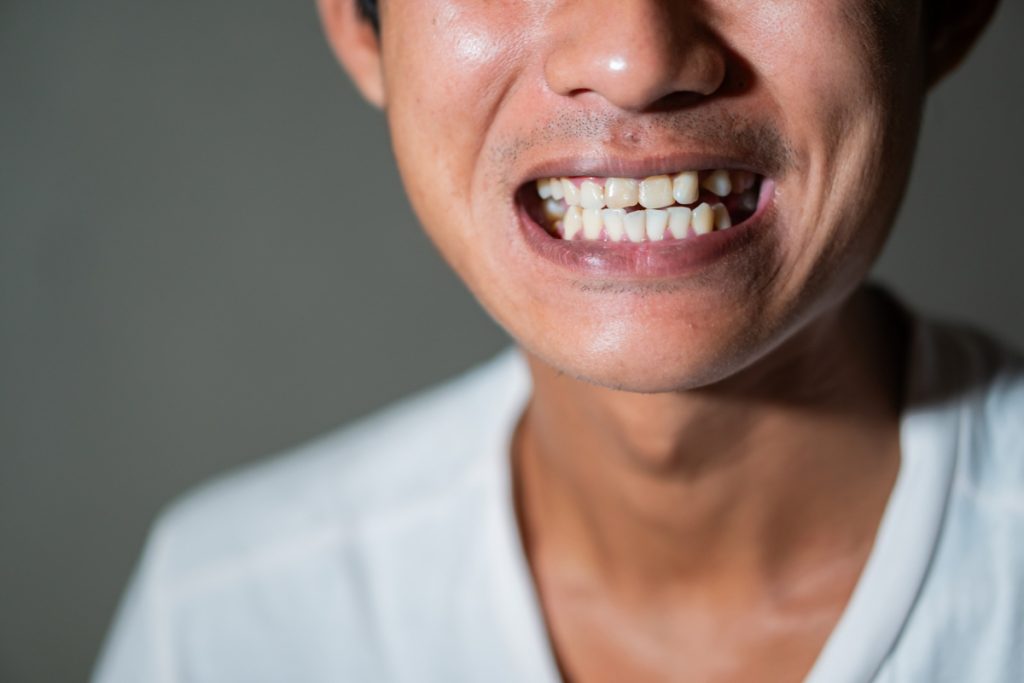
Have you noticed that your front teeth look shorter than they did a few years ago? Perhaps the edges appear flatter, small chips have developed, or your smile no longer looks as balanced as it once did. These changes may seem minor initially. However, worn teeth can affect appearance, sensitivity, and the way your upper and lower teeth meet.
At Modern Dental in Boise, patients can explore cosmetic treatment options for worn or uneven front teeth. Porcelain veneers may help in certain cases, but identifying the cause of tooth wear is an important first step.
Why Do Front Teeth Become Worn Down?
Tooth enamel is strong, but it can wear away gradually. Unlike some other body tissues, lost enamel does not grow back. Several factors can contribute to worn front teeth.
Teeth Grinding and Clenching
Bruxism involves grinding or clenching your teeth, sometimes while you sleep. Repeated pressure can flatten tooth edges and contribute to chips or fractures.
Common signs include:
- Shorter-looking front teeth
- Flattened biting surfaces
- Morning jaw soreness
- Tooth sensitivity
- Small cracks in enamel
- Headaches associated with jaw tension
Grinding should be evaluated before cosmetic restorations are placed because continued excessive pressure may damage veneers.
Acid Erosion
Frequent acid exposure can gradually dissolve enamel. Potential sources include acidic beverages, certain foods, acid reflux, and repeated vomiting. As enamel thins, teeth may look translucent near the edges. Patients may also notice increased sensitivity to cold drinks.
Natural Tooth Wear
Teeth experience repeated contact throughout life. Some gradual wear is expected, but rapid or uneven changes deserve attention. Our dentist can determine whether the wear matches normal function or suggests an underlying problem.
Bite Alignment Problems
When teeth don’t meet evenly, certain areas may take more pressure. This can contribute to uneven wear. You may need to correct the bite before considering veneers.
What Are Porcelain Veneers?
Porcelain veneers are thin ceramic restorations bonded to the front surfaces of teeth. They can change the visible shape, length, and color of selected teeth. Veneers may be considered for:
- Minor chips
- Uneven tooth edges
- Certain discolorations
- Small gaps
- Irregular tooth shapes
- Mild cosmetic wear
However, veneers do not replace the need to address active decay, gum disease, or significant bite problems. They are primarily cosmetic restorations, although they may restore limited areas of missing tooth structure.
Can Veneers Make Short Teeth Look Longer?
Yes. Veneers can sometimes increase the visible length of front teeth. How much length can be added depends on several factors. The professional must evaluate:
- Your natural tooth proportions
- Available enamel
- Your bite
- Gum position
- Lip movement when smiling
- Existing tooth damage
- The amount of space between opposing teeth
Adding excessive length may interfere with chewing or place additional pressure on the restoration. The goal is to create proportions that complement your facial features while maintaining comfortable function.
How Do Dentists Determine Whether Veneers Are Appropriate?
A cosmetic consultation involves more than selecting a tooth shade. Our cosmetic dentist examines the teeth, gums, and bite to identify any conditions that could affect treatment.
Dental photographs, impressions, or digital scans may help with planning. If tooth wear is linked to grinding, we may discuss a protective appliance or other treatment.
When erosion is involved, the source of acid exposure should be addressed. At Modern Dental, Dr. Royce can assess worn teeth and discuss whether veneers or another restorative approach may be appropriate.
What Happens During the Veneer Procedure?
The process varies according to the restoration and treatment plan.
Initial Consultation
Your dentist discusses the changes you want and examines your oral health. This is also an opportunity to ask about durability, maintenance, and alternatives.
Tooth Preparation
Many porcelain veneers require removal of a small amount of enamel. The amount depends on tooth position, existing structure, and the proposed restoration. Because enamel removal is generally irreversible, patients should understand the long-term commitment before proceeding.
Impressions or Digital Scans
The prepared teeth are recorded so the restorations can be fabricated. Temporary veneers may be placed while the permanent restorations are made.
Final Placement
The veneers are checked for shape, shade, and fit. After appropriate preparation, they are bonded to the teeth. The dentist evaluates the bite and makes any necessary adjustments.
Veneers vs. Dental Bonding for Worn Teeth
Both treatments can improve the appearance of worn front teeth, but they differ in materials and maintenance. Dental bonding uses composite resin applied directly to the tooth.
It may suit minor chips or small shape changes. Porcelain veneers may offer greater stain resistance and can address broader cosmetic concerns.
However, veneers generally require more preparation and a higher upfront investment. For extensive wear, crowns or other restorative treatments may be more appropriate. Our dental team should assess the remaining tooth structure before recommending either option.
How Long Do Porcelain Veneers Last?
Porcelain veneers can last many years, but they are not permanent. Their lifespan depends on oral hygiene, bite forces, restoration design, and daily habits.
You can help protect veneers by:
- Brushing twice daily with fluoride toothpaste
- Flossing every day
- Avoiding chewing ice or hard objects
- Not using teeth to open packages
- Attending regular dental examinations
- Wearing a recommended nightguard if you grind your teeth
A veneer may eventually need repair or replacement.
When Should You Seek Treatment for Worn Front Teeth?
Schedule an examination if you notice visible changes in tooth length, repeated chipping, or increasing sensitivity. Patients in Boise, Meridian, Eagle, and nearby communities should not assume that tooth wear is purely cosmetic.
A dental evaluation can help determine whether grinding, erosion, decay, or bite problems caused the changes. Addressing the underlying cause may protect both natural teeth and future restorations.
Restore Balance to Your Smile Before Wear Progresses
Worn front teeth can gradually change your smile, making the problem easy to overlook. However, an early evaluation may help prevent further damage and identify why your teeth are changing.
If your front teeth appear shorter, uneven, or increasingly sensitive, Dr. Royce can evaluate your concerns and discuss cosmetic treatment options at Modern Dental. Schedule a consultation to learn whether veneers may help restore your smile’s appearance.
Frequently Asked Questions
1. Can veneers fix front teeth that have become shorter?
Veneers may restore the visible length of mildly worn teeth. A consultation can determine whether enough healthy tooth structure remains.
2. Are veneers appropriate if I grind my teeth?
Grinding can increase the risk of veneer damage. The dentist may recommend managing the grinding before cosmetic treatment.
3. Will porcelain veneers look like natural teeth?
Porcelain can closely resemble natural enamel. The final appearance depends on tooth proportions, shade selection, and restoration design.
4. Can I get veneers on only two front teeth?
Yes, in some cases. The dentist will evaluate whether treating two teeth can create a balanced appearance.
5. How do I know whether I need veneers or crowns?
The decision depends on how much tooth structure is missing. A dental examination can clarify which restoration may provide adequate protection.
6. Where can I discuss veneers for worn teeth in Boise?
You can arrange a cosmetic consultation to review your concerns, examine your bite, and discuss the available treatment options.