
You notice a small crack in your back tooth while brushing, but it doesn’t hurt. You can still chew, drink cold water, and eat your usual meals. Does that mean the tooth is healthy?
Some cracked molars remain painless for weeks or months. However, chewing pressure can sometimes drive the damage more seriously into the tooth. At Modern Dental in Boise, we can evaluate cracked or weakened teeth to determine whether you need a filling, dental crown, or another treatment.
Understanding the difference between minor enamel lines and significant fractures can help you make an informed decision about your dental health.
Can a Molar Be Cracked Without Causing Pain?
Yes. Not every crack affects the sensitive tissues inside a tooth. A molar contains several layers, including enamel, dentin, and pulp.
Enamel forms the hard outer surface. Dentin lies underneath, while the pulp contains nerves and blood vessels. A superficial crack may affect only the enamel.
A deeper fracture can extend into the dentin or pulp and eventually cause pain, infection, or structural failure. Because molars absorb considerable pressure during chewing, their condition deserves attention even without symptoms.
What Causes a Molar to Crack?
Several factors can weaken a back tooth.
Biting Hard Foods
Chewing ice, hard candy, or other firm objects can place sudden pressure on a molar. A tooth with an existing weakness may fracture more easily.
Large Dental Fillings
A molar with a large filling may have less natural tooth structure remaining. Over time, the surrounding tooth can become vulnerable to fractures.
This does not mean every large filling needs a crown. The decision depends on the remaining tooth structure and how much stress it receives.
Teeth Grinding
Grinding and clenching create repeated pressure on teeth. Patients who grind their teeth may develop worn surfaces, fractures, or damaged restorations.
Previous Dental Injuries
An old injury may weaken a tooth even without immediate symptoms. A fracture can become more noticeable after additional chewing pressure.
Tooth Decay
Untreated decay can undermine the tooth’s structure. A weakened area may break while chewing.
How Can You Tell Whether a Crack Is Serious?
Some cracks are visible, while others are difficult to detect.
Warning signs may include:
- A visible line extending across the tooth
- A broken or missing piece of enamel
- Pain when releasing biting pressure
- Sensitivity to cold or sweet foods
- Food collecting around a damaged area
- A sharp edge that irritates the tongue
- Discomfort that occurs only occasionally
However, the absence of these symptoms does not rule out a significant fracture. A dental practitioner may use magnification, bite testing, transillumination, and dental imaging to evaluate the tooth.
When Does a Cracked Molar Need a Dental Crown?
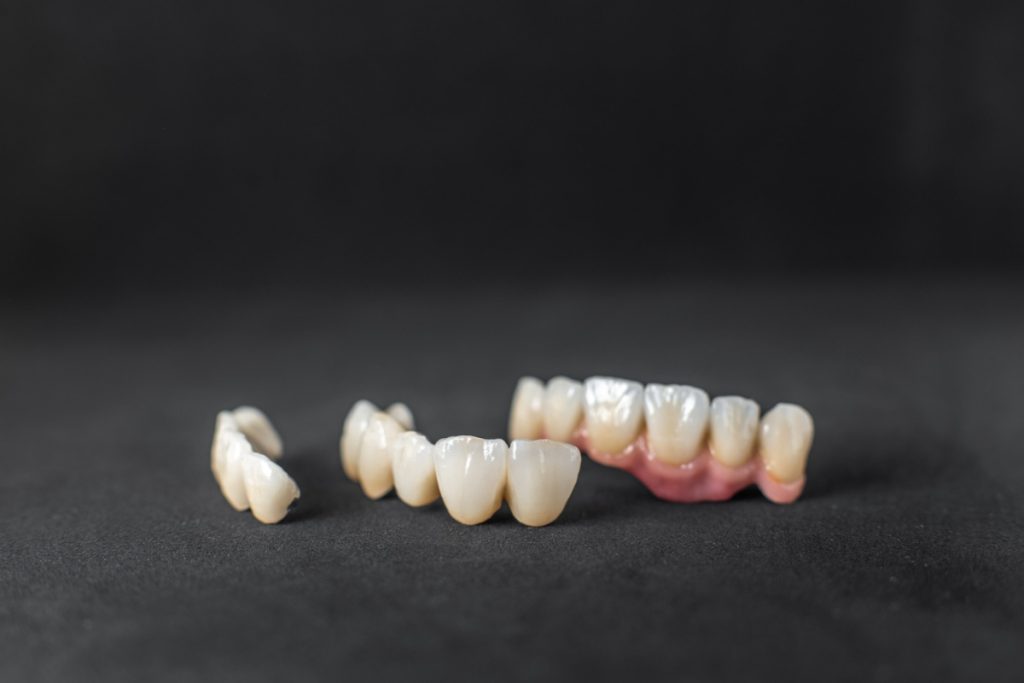
A dental crown may be recommended when a tooth needs additional structural protection. Crowns cover the visible portion of a prepared tooth. They can help distribute chewing forces and protect weakened cusps.
A crown may be considered when:
- A large portion of the tooth is damaged
- A fracture affects a chewing cusp
- A large filling has weakened the remaining structure
- The tooth has undergone root canal treatment
- A filling alone cannot provide adequate support
Not every cracked tooth needs a crown. Some superficial enamel cracks require monitoring, while certain smaller fractures may be restored with bonding or a filling.
At Modern Dental, Dr. Royce can assess the location and depth of the damage before recommending the right treatment.
Can a Dental Crown Stop a Crack From Getting Worse?
A crown may reduce the movement of weakened tooth sections during chewing. This can help protect certain cracked teeth from additional damage. However, a crown cannot guarantee that an existing crack will stop progressing.
If a fracture extends below the gumline or deeply into the root, the tooth may not be restorable.
The long-term prognosis depends on the fracture’s location, depth, and the condition of the surrounding tissues.
What Happens During Dental Crown Treatment?
Dental crown treatment generally begins with a clinical examination.
Examining the Tooth
The dentist checks the tooth for decay, fractures, sensitivity, and structural damage. X-rays may help evaluate the root and surrounding bone.
Preparing the Tooth
Damaged or decayed areas are addressed. The tooth is shaped to create space for the restoration. If substantial tooth structure is missing, the professional may need to build up the tooth.
Recording the Tooth Shape
An impression or digital scan is taken to help create the crown. The dentist also evaluates how the tooth contacts opposing teeth.
Placing the Crown
The completed restoration is checked for fit, appearance, and bite alignment. It is then secured to the prepared tooth.
Some crowns require more than one appointment, depending on the materials and fabrication process.
What Happens If You Leave a Cracked Molar Untreated?
The outcome depends on the type of crack. Minor enamel lines may remain stable. Deeper fractures can worsen under repeated pressure.
Potential complications include:
- Increased sensitivity
- Pain while chewing
- Damage to the pulp
- Infection
- A broken tooth cusp
- Loss of tooth structure
- Eventual tooth extraction
Seeking treatment before significant pain develops may offer more options to preserve the tooth.
How Long Can a Dental Crown Last?
With appropriate care, a crown may last many years. However, these restorations are not permanent and may eventually need replacement.
Their longevity depends on the material, bite forces, oral hygiene, and remaining tooth structure. To help maintain a crown:
- Brush twice daily with fluoride toothpaste.
- Clean between your teeth every day.
- Avoid chewing ice and other hard objects.
- Attend regular dental examinations.
- Discuss teeth grinding with the dentist.
- Report any new discomfort or looseness.
Patients in Boise, Meridian, and surrounding Treasure Valley communities should schedule an exam if they notice a cracked or weakened molar.
Protect Your Molar Before a Small Crack Becomes a Larger Problem
A cracked molar doesn’t need to hurt to warrant attention. An early evaluation may help preserve natural tooth structure and reduce the risk of further damage.
If you have noticed a fracture, broken edge, or weakened back tooth, Dr. Royce can assess the condition and discuss restorative options at Modern Dental. Schedule an appointment to learn whether a dental crown can help protect your tooth.
Frequently Asked Questions
1. Do I need a crown if my cracked molar does not hurt?
Possibly. Some fractures require structural protection even without pain. A dental exam can determine whether you need a crown.
2. Can a cracked molar heal naturally?
No. Cracked tooth structure does not heal like a broken bone. Treatment depends on the fracture’s severity and location.
3. Is a filling enough for a cracked back tooth?
A filling may repair certain smaller defects. Larger fractures may require a crown or another restoration.
4. Can a crown save a severely cracked tooth?
A crown can protect some damaged teeth, but fractures that extend deep into the root may prevent successful restoration.
5. Should I avoid chewing on a cracked molar?
Yes. Until the tooth has been examined, avoid hard foods and excessive pressure on the affected side.
6. Where can I have a cracked molar examined in Boise?
Schedule a dental examination to determine the extent of the fracture and discuss suitable restorative treatments.