
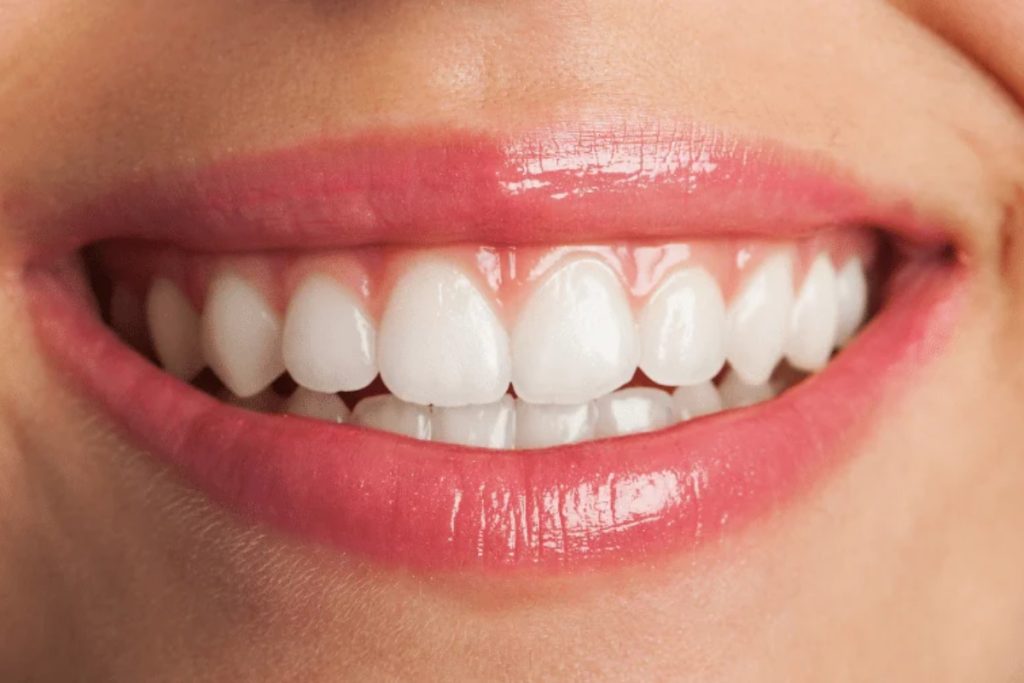
Have you noticed that one of your front teeth looks slightly different from the others? Perhaps it has a small chip, an uneven edge, or a noticeable gap. Even a minor difference can become more visible when you smile, speak, or look at photographs.
You may not need extensive dental treatment to address the concern. At Modern Dental in Boise, patients can explore cosmetic treatment options that improve the appearance of individual teeth while preserving natural tooth structure.
Dental bonding is one option for correcting certain cosmetic imperfections. However, its suitability depends on your tooth’s condition, your bite, and the changes you want.
What Is Dental Bonding?
Dental bonding is a cosmetic procedure that uses tooth-colored composite resin to improve a tooth’s appearance. The material can be shaped and polished to blend with the surrounding teeth. Unlike treatments that require a dental laboratory, direct bonding is usually completed at the dental office.
The procedure may be used to:
- Repair small chips
- Reshape uneven tooth edges
- Close minor gaps
- Improve the appearance of certain stains
- Restore limited areas of worn tooth structure
- Make a slightly shorter tooth appear more balanced
Bonding is generally considered a conservative cosmetic treatment because it often requires little removal of natural enamel. However, it cannot correct every cosmetic or structural concern.
Why Does One Front Tooth Look Different?
Several reasons can make one tooth stand out from the others.
A Small Chip or Fracture
Front teeth can become chipped from falls, sports injuries, or biting hard objects. Even a small chip may create an uneven appearance.
Before recommending cosmetic repair, our dentist must determine whether the damage affects only the enamel or extends deeper into the tooth.
Uneven Tooth Edges
Natural teeth don’t always develop identical shapes. Some people have one front tooth that looks longer, shorter, or rounder than the other. Minor differences may be addressed with bonding or enamel reshaping.
Discoloration That Does Not Respond to Whitening
A single tooth may appear darker because of previous trauma, developmental changes, or dental treatment. Surface whitening does not address every type of discoloration. Bonding may conceal certain stains, but the underlying cause should be evaluated first.
Small Spaces Between Teeth
A narrow gap between front teeth can sometimes be reduced with composite resin. However, the gap width and the proportions of the surrounding teeth matter. Larger spaces or bite-related problems may require orthodontic treatment instead.
How Does Dental Bonding Work?
Dental bonding typically involves several steps.
Step 1: Examining the Tooth
The dentist evaluates the tooth and surrounding structures. This helps determine whether bonding can provide a durable result. Any untreated decay, gum inflammation, or significant structural damage may need to be addressed first.
Step 2: Selecting the Composite Shade
The resin is selected to resemble the color of your natural teeth. Shade selection is important when treating a visible front tooth. If you are considering teeth whitening, discuss it before bonding. Composite resin does not whiten like natural enamel.
Step 3: Preparing the Surface
The tooth surface is conditioned to help the bonding material attach. In many cosmetic cases, extensive drilling is unnecessary. Local anesthesia may not be needed when the procedure involves only the outer enamel.
Step 4: Applying and Shaping the Resin
The dentist applies and shapes the composite to create the desired contour. A curing light hardens the resin. The professional then adjusts and polishes the restoration.
Step 5: Checking the Bite
The final restoration must allow comfortable biting and speaking. An uneven bite can place additional pressure on the bonded area. Our dentist will check how the treated tooth contacts opposing teeth.
Dental Bonding vs. Veneers: Which Is More Appropriate?
Both treatments can improve the appearance of front teeth, but they serve different purposes. Dental bonding is often considered for smaller cosmetic changes. Porcelain veneers may be appropriate when a patient wants to change several aspects of a tooth’s appearance, including shape, color, and proportions. Bonding usually involves a lower initial treatment cost and may preserve more natural enamel.
However, composite resin is more susceptible to staining and chipping than porcelain. Veneers may resist staining better, but they often require irreversible enamel preparation. Neither treatment is appropriate for every patient.
At Modern Dental, Dr. Royce can evaluate your tooth’s condition and discuss which cosmetic approach best fits your dental needs.
How Long Does Dental Bonding Last?
Dental bonding can last several years, but its lifespan varies. Factors that influence durability include:
- The location of the restoration
- The amount of resin used
- Your biting habits
- Teeth grinding or clenching
- Daily oral hygiene
- The foods and beverages you consume
- Regular dental examinations
Bonding on a heavily used biting edge may be more vulnerable to damage. Small repairs or polishing may be possible if the restoration becomes stained or chipped. The dentist can assess whether repair or replacement is appropriate.
Can Dental Bonding Look Natural?
Yes, carefully selected and shaped composite resin can closely resemble natural tooth enamel. However, results depend on the tooth’s original appearance and how much correction is needed.
A restoration should complement the shape and color of neighboring teeth. For some patients, a minor adjustment can noticeably improve the smile without changing it entirely.
The goal is not necessarily to make every tooth identical. Natural-looking results often preserve subtle differences in tooth shape and texture.
How Should You Care for Bonded Teeth?
Bonded teeth require consistent oral hygiene. Brush twice daily with fluoride toothpaste and clean between your teeth every day. Avoid using your front teeth to open packages or bite hard objects.
If you grind your teeth, ask our dentist whether a protective nightguard may be appropriate. Regular exams let the professional check the bonding material for wear, staining, or damage. Patients in Boise and surrounding communities should also discuss any changes in their bite or tooth sensitivity during routine visits.
A Small Cosmetic Change Can Make a Noticeable Difference
A chipped edge, uneven tooth, or small gap does not always require extensive dental work. For certain cosmetic concerns, bonding can improve tooth shape and appearance while preserving much of the natural structure.
If one front tooth has been bothering you, Dr. Royce can evaluate your smile and discuss appropriate cosmetic options at Modern Dental. Schedule a consultation to discuss whether dental bonding can address your concern.
Frequently Asked Questions
1. Can dental bonding fix just one front tooth?
Yes. Bonding may improve the appearance of a single chipped, uneven, or discolored tooth. A cosmetic consultation can determine whether the tooth is a good candidate.
2. Is dental bonding painful?
Bonding that involves only the enamel is often done without anesthesia. Additional treatment may be necessary if decay or more serious damage is present.
3. Can bonding close a small gap between my front teeth?
Yes, in selected cases. Your dentist must evaluate the spacing and tooth proportions before recommending treatment.
4. Can I get dental bonding in Boise without veneers?
Bonding may be an alternative to veneers for minor cosmetic concerns. Schedule an examination to discuss the differences and expected results.
5. Will dental bonding stain over time?
Composite resin can stain, especially with frequent exposure to coffee, tea, tobacco, and other staining substances.
6. How do I know whether bonding will improve my smile?
A cosmetic dental evaluation can help determine what bonding may realistically change. Your dentist can also explain other options if bonding isn’t suitable.