
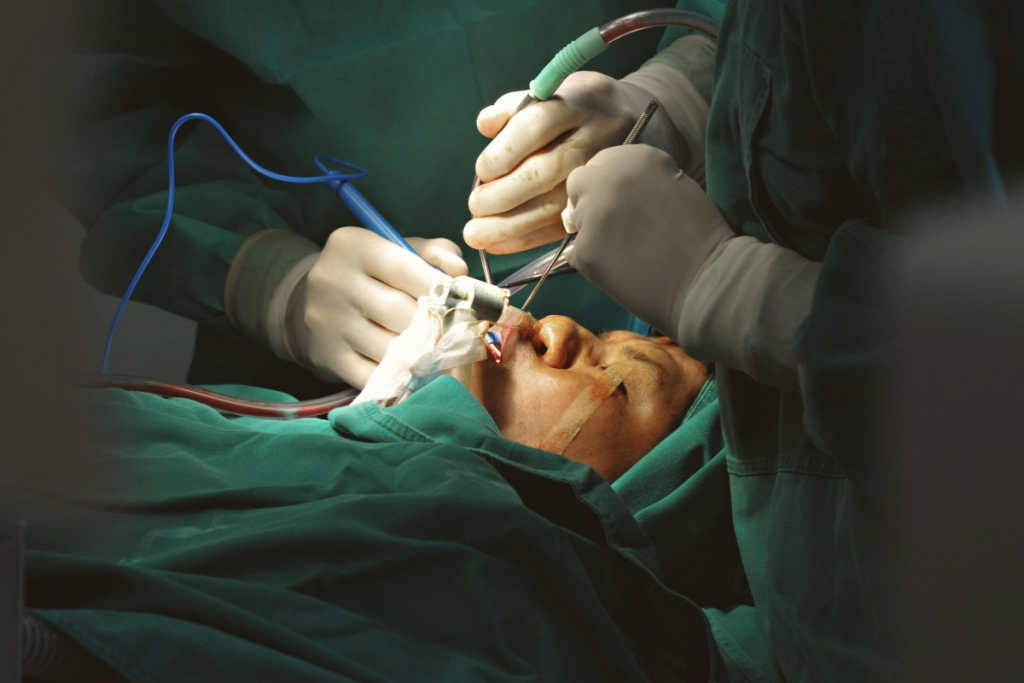
You made it through surgery. Now your cheek feels puffy, your gums feel sore, and you wonder what is normal. Many people who research dental implants Boise dentists provide focus on the procedure itself, yet the first three days at home shape how well you heal. This guide shows what to expect hour by hour and what to do at each step. Read it before surgery, then keep it handy afterward.
Quick Answer
Swelling usually peaks on day two or three, then fades. Soreness is strongest on day one and eases each day. Use cold packs for the first 24 to 48 hours, eat soft foods, skip straws and smoking, and take medicine exactly as your dentist directs. Call your dentist if bleeding will not stop, a fever shows up, or pain grows after day three.
Why the First Three Days Matter
After surgery, a small titanium post sits in your jawbone. Over the next few months, bone grows around it and holds it firmly in place. A blood clot forms over the site in the first hours. This clot protects the area and starts new tissue. If you disturb it, healing slows and pain goes up.
Your daily habits do most of the work here. Rest, cold packs, soft food, and gentle rinsing give your body what it needs. The American Academy of Implant Dentistry and the American Dental Association both offer patient guides on aftercare, and both stress following the written steps from your own dentist. Your care team knows your case best, so their steps come first.
Your 72-Hour Recovery Timeline
Every mouth heals at its own pace. Whether you chose one tooth or dental implants, Boise clinics place for a full arch, the first 72 hours follow a similar pattern. Use the chart below as a general guide, not a strict schedule.
| Time After Surgery | What You May Feel | What to Do |
| 0 to 6 hours | Numbness, light oozing, grogginess if sedated | Bite on gauze, rest, start cold packs, have an adult with you |
| 6 to 24 hours | Numbness fades, soreness starts, mild bleeding | Take medicine on schedule, keep your head raised, sip cool liquids |
| Day 2 (24 to 48 hours) | Swelling grows, cheek feels tight | Keep using cold packs, start gentle salt rinses, eat soft foods |
| Day 3 (48 to 72 hours) | Swelling at or near its peak, bruising may show | Switch to warm cloths if your dentist agrees, keep rinsing, walk lightly |
| After 72 hours | Swelling and tenderness begin to ease | Brush gently around the area, keep your follow-up visit |
How to Manage Swelling
Swelling is your body’s repair crew at work. It can look worse than it feels, and it is normal.
Use Cold First, Then Warmth
- Hold an ice pack on your cheek for 15 to 20 minutes, then take it off for 20 minutes.
- Wrap the pack in a thin towel. Never place ice straight on your skin.
- Repeat while you are awake for the first 24 to 48 hours.
- After 48 hours, a warm, damp cloth can help swelling drain.
Keep Your Head Up
Lying flat sends more blood to your face. Sleep on two pillows or in a recliner for the first few nights. This one habit often cuts morning puffiness.
Expect Some Bruising
Bruises can show on your cheek, jaw, or even your neck on day two or three. They turn yellow or green as they fade. This is common and not a sign of trouble.
Easing Tenderness and Discomfort
Most patients describe the feeling as a dull ache, like the soreness after a tooth is pulled. It is usually easy to manage with the right steps.
Take Medicine the Right Way
Follow your dentist’s directions for pain relief. Do not wait until pain gets strong before you take a dose. If you were given antibiotics, finish the full course. Skip alcohol while taking prescription pain medicine.
Rinse Gently
Starting the day after surgery, mix half a teaspoon of salt in 8 ounces of warm water. Let the water roll around your mouth, then let it fall out. Do not swish hard or spit hard. Strong pressure can pull the clot loose.
Brush With Care
Brush your other teeth as usual. Stay away from the surgery site until your dentist says it is safe.
Rest More Than You Think You Need
Skip hard workouts and heavy lifting for three to four days. A faster heartbeat and higher blood pressure can restart bleeding and raise swelling.
What to Eat and Drink
Soft, cool foods protect the site and keep you full. Drink plenty of water, since it helps your body heal.
| Good Choices | Skip For Now |
| Yogurt, applesauce, smoothies (use a spoon) | Straws, since suction can pull the clot loose |
| Mashed potatoes, scrambled eggs | Chips, nuts, seeds, crusty bread |
| Lukewarm soup, oatmeal | Hot drinks and spicy food |
| Pudding, cottage cheese | Alcohol and tobacco |
Smoking and vaping slow healing and raise the chance of problems. If you use them, this is a good week to pause.
Normal Healing or Warning Sign?
It helps to know the difference. Use this chart when something feels off at 10 p.m. and you are not sure what to do.
| Symptom | Usually Normal | Call Your Dentist |
| Bleeding | Light pink oozing on day one | Bright red flow that lasts after 30 minutes of firm pressure on gauze |
| Swelling | Grows until day three, then fades | Keeps growing after day three |
| Pain | Strongest on day one, eases daily | Gets worse after day three or medicine does not help |
| Temperature | Feeling tired or a bit warm | Fever above 100.4°F |
| Taste | Slight metal taste from blood | Bad taste, pus, or a foul smell |
| Numbness | Fades within hours | Tingling or numbness that lasts into the next day or longer |
| Feel of the site | Tender to touch | Anything that feels loose or moves |
If swelling spreads toward your eye or neck, or you have trouble breathing or swallowing, go to the nearest emergency room right away.
Recovery Tips for Boise Patients
Patients across the Treasure Valley, from Meridian to Eagle to Nampa, ask when life can return to normal. Think about your calendar before you pick a surgery date. The best dental implants Boise schedule is one that keeps day three away from a weekend, since our office is closed Saturday and Sunday. Our hours are Monday 8 a.m. to 5 p.m., Tuesday through Thursday 7 a.m. to 5 p.m., and Friday 7 a.m. to 2 p.m.
Local life matters too. Many people here love the outdoors, so plan ahead:
- Boise winters are dry and cold: Run a humidifier at night and drink water often. Dry air can make your mouth feel more sore.
- Summer heat can make swelling feel worse: Keep a cold pack in a small cooler and rest in the shade.
- Smoky days happen in late summer: Stay indoors, since smoke can irritate healing gums.
- Easy walks are fine: A slow stroll on the Greenbelt on day two or three is a good way to loosen up.
- Hold off on skiing at Bogus Basin, rafting the Boise River, and hard bike rides: Plan on about a week, or until your dentist clears you. Falls and hard breathing are not friends of a healing jaw.
Meet Our Dentists
Skill and steady care make recovery smoother. Modern Dental has served the Boise community for over 10 years, and both doctors have advanced training in implant care. Placement and crown work happen in one office, so you do not get sent to another practice. The office also uses cone beam 3-D imaging, which gives a clear view of your bone before surgery and helps with accurate placement.
Travis Royce, DDS grew up in the Treasure Valley and graduated from Valley View High School. He earned his undergraduate degree at Eastern Oregon University and his dental degree at The Ohio State University College of Dentistry. Dr. Royce has training in dental implants, orthodontic treatment, and root canals. He also completed recent training in conscious IV sedation, which allows more treatment to be done in complete comfort, right in the office. His mantra is “attention to detail,” and that shows in how he plans aftercare.
Ted Wagner, DMD earned his undergraduate degree at Brigham Young University and his dental degree at the University of Louisville School of Dentistry. He has advanced training in cosmetic dentistry and dental implants, and he has spent his career helping people with dental pain and health problems. Dr. Wagner and his family love hiking the foothills, rafting the Boise River, and skiing at Bogus Basin. He knows how much those activities matter, so he can help you plan your return to them.
Your Questions Answered
1. How long does swelling last?
Swelling usually peaks around day two or three. Most of it fades within a week, though mild puffiness can last a little longer.
2. Is pain on day three normal?
Mild soreness is common. Pain that gets stronger instead of weaker after day three should be checked by your dentist.
3. Can I brush my teeth after surgery?
Yes, but avoid the surgery site until your dentist says it is safe. Brush all other teeth as usual.
4. When can I eat normal food?
Stay with soft foods for the first several days. Add firmer foods slowly, and chew on the opposite side until your dentist gives the go-ahead.
5. Can I have coffee or tea?
Wait until drinks are lukewarm or cool. Hot liquids can raise bleeding and swelling in the first day or two.
6. When can I go back to work?
Many people return in one to three days, depending on the job and the type of surgery. If your work is physical, plan for more rest.
7. Does smoking really matter?
Yes. Smoke and nicotine slow healing and raise the risk of infection and failure. Pausing before and after surgery gives you the best chance.
8. Should I use ice or heat?
Use ice for the first 24 to 48 hours. After that, a warm, damp cloth can help swelling go down.
Final Thoughts
The first 72 hours ask for patience, not perfection. Cold packs, rest, soft food, and a clear plan do most of the work. If you are weighing dental implants Boise practices can place, ask each office how it handles aftercare and who you can reach when questions come up. A good plan lowers stress and protects your result. Schedule a consultation with Modern Dental to talk through your recovery plan, your timeline, and your comfort options.