
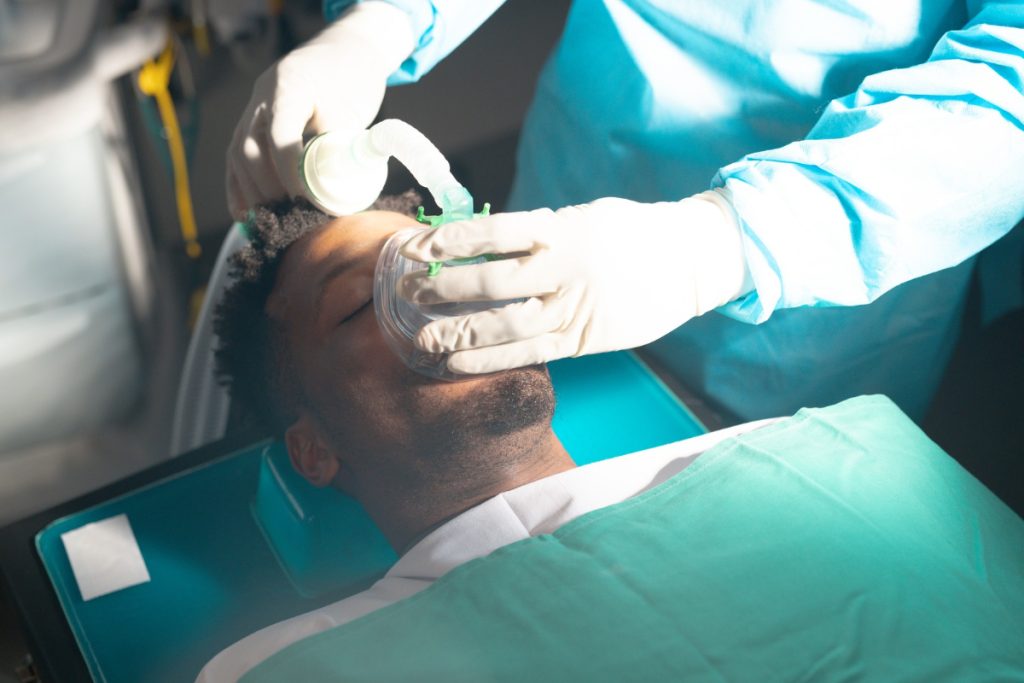
Does sitting in a dental chair make your heart race? Do you postpone appointments because you worry about pain, sounds, or previous unpleasant dental visits?
Dental anxiety can make even a routine appointment feel overwhelming. For some patients, this fear leads to years without necessary dental care.
At Modern Dental in Boise, we offer sedation options for patients who need extra support during dental treatment. One option is intravenous (IV) sedation, which may help certain patients remain calm and comfortable during procedures.
Understanding what IV sedation involves can make seeking care less intimidating.
What Is IV Sedation Dentistry?
IV sedation involves administering sedative medication through a small catheter placed in a vein. The medication helps reduce anxiety and awareness during dental treatment.
Unlike general anesthesia, moderate IV sedation usually allows patients to respond purposefully to verbal instructions or gentle stimulation. Sedation can vary depending on the medication, dose, and individual response. Some patients become very relaxed and sleepy.
Others remain more aware of their surroundings but feel significantly less anxious. IV sedation is not automatically appropriate for every dental procedure or patient. A medical assessment is necessary before treatment.
What Does IV Sedation Actually Feel Like?
Many patients describe feeling deeply relaxed or drowsy. You may notice that the usual sounds and sensations of the dental office seem less concerning.
Time may also appear to pass quickly. Some medications can cause partial memory loss surrounding the procedure.
However, the experience varies. You shouldn’t assume you will be completely unconscious or remember nothing. The purpose of moderate sedation is to reduce anxiety while maintaining important protective functions.
Will You Feel Pain During Treatment?
Sedation and pain control are different. Sedative medication helps manage anxiety and awareness. Local anesthesia is typically used to numb the treatment area and reduce pain. The dentist may use both approaches during a procedure.
Will You Be Able to Communicate?
During moderate sedation, patients generally can respond to appropriate stimulation. The dental team monitors your condition throughout treatment. If you have concerns about awareness or communication, discuss them during your consultation.
Who May Benefit From IV Sedation?
IV sedation may be considered for patients with certain dental or medical needs. Possible candidates include people who experience:
- Significant dental anxiety
- Difficulty tolerating lengthy procedures
- A strong gag reflex
- Difficulty remaining comfortable during treatment
- Fear related to previous dental visits
- Multiple dental concerns requiring treatment
However, sedation suitability depends on medical history, medications, airway assessment, and other factors. A patient who feels anxious does not automatically qualify for IV sedation. The dentist must determine whether the benefits outweigh the risks.
What Happens Before an IV Sedation Appointment?
Preparation begins with a medical evaluation. Our dental practitioner will review relevant health information.
This may include:
- Current medications
- Allergies
- Previous anesthesia or sedation reactions
- Heart and lung conditions
- Sleep apnea
- Pregnancy status
- Relevant medical diagnoses
- Alcohol or substance use that may affect sedation
You may receive instructions about eating, drinking, and taking medications before the procedure. Follow these directions carefully.
Do not stop prescribed medication unless your dental or medical clinician tells you to.
At Modern Dental, Dr. Royce can discuss sedation eligibility, preparation requirements, and the available treatment options during a consultation.
What Happens During the Procedure?
The dental team begins by confirming that the necessary preparation steps are complete. Monitoring equipment is used to track important vital signs.
An IV catheter is placed, and medication is administered according to the sedation plan. The dentist monitors your response and adjusts care as appropriate. Depending on the procedure, local anesthesia is also provided.
Throughout treatment, the team monitors oxygen levels, breathing, heart rate, and blood pressure. Monitoring requirements depend on the sedation level and applicable clinical standards.
What Happens After IV Sedation?
Recovery begins after the procedure is completed. Patients remain under observation until they meet appropriate discharge criteria.
You may feel sleepy, unsteady, or less alert for several hours. Sedation medications can affect judgment, coordination, and memory. For this reason, you generally need a responsible adult to accompany you home.
You should not drive yourself after IV sedation. The dental team will provide instructions about activity restrictions, eating, medications, and recovery. Follow the specific instructions given for your treatment.
Are There Risks Associated With IV Sedation?
Yes. Although sedation is commonly used in dentistry, it carries potential risks.
Possible complications include:
- Nausea
- Drowsiness
- Changes in blood pressure
- Breathing difficulties
- Allergic or unexpected medication reactions
- Prolonged recovery
- Deeper sedation than intended
Certain medical conditions or medications can increase these risks. A thorough pre-treatment evaluation and appropriate monitoring are important.
Patients should understand both the expected benefits and potential complications before consenting to sedation.
What Other Sedation Options Are Available?
Not every patient needs IV sedation. Other approaches may include nitrous oxide or oral sedative medication.
Nitrous Oxide
Nitrous oxide is inhaled through a small nosepiece. It can help reduce anxiety during treatment. Its effects generally wear off relatively quickly after administration stops.
Oral Sedation
Oral sedation involves taking prescribed medication before the procedure. The effects and recovery time depend on the medication and dose. Patients may need transportation and activity restrictions.
IV Sedation
IV sedation allows medication to be administered directly into the bloodstream. It may be considered for patients who require a different level of anxiety control. The dentist can explain which options fit your health and treatment needs.
Can Sedation Help You Return to Regular Dental Care?
For some patients, sedation can make necessary dental treatment more manageable. However, it does not permanently eliminate dental anxiety. Clear communication, gradual exposure to dental care, and a supportive treatment plan may also help.
Patients in Boise, Meridian, Eagle, and surrounding communities who have postponed dental appointments because of fear can begin with a consultation. You can discuss your concerns without committing to a procedure that day.
Dental Anxiety Should Not Keep You From Necessary Care
Fear can make dental appointments difficult, but postponing treatment may allow oral health problems to progress. Sedation may provide a way for suitable patients to receive care with less anxiety.
If you have been avoiding treatment because of fear, Dr. Royce can discuss your concerns and available sedation options at Modern Dental in Boise. Schedule a consultation to learn what a more comfortable dental visit could involve.
Frequently Asked Questions
1. Will I be asleep during IV sedation?
Not necessarily. Moderate IV sedation usually produces relaxation and drowsiness while allowing patients to respond to stimulation.
2. Is IV sedation appropriate for someone with severe dental anxiety?
It may be an option. A consultation is necessary to review your health and determine whether sedation is appropriate.
3. Can I drive home after IV sedation?
No. You generally need a responsible adult to take you home and follow the discharge instructions your dental team provides.
4. Is IV sedation the same as general anesthesia?
No. Moderate sedation and general anesthesia involve different levels of consciousness and monitoring requirements.
5. Can I request sedation for a dental procedure in Boise?
Yes. You can discuss sedation during your consultation. The dentist will determine which options are suitable.
6. What should I tell my dentist before sedation?
Share your medical history, medications, allergies, previous sedation reactions, and any conditions that may affect breathing or recovery.