
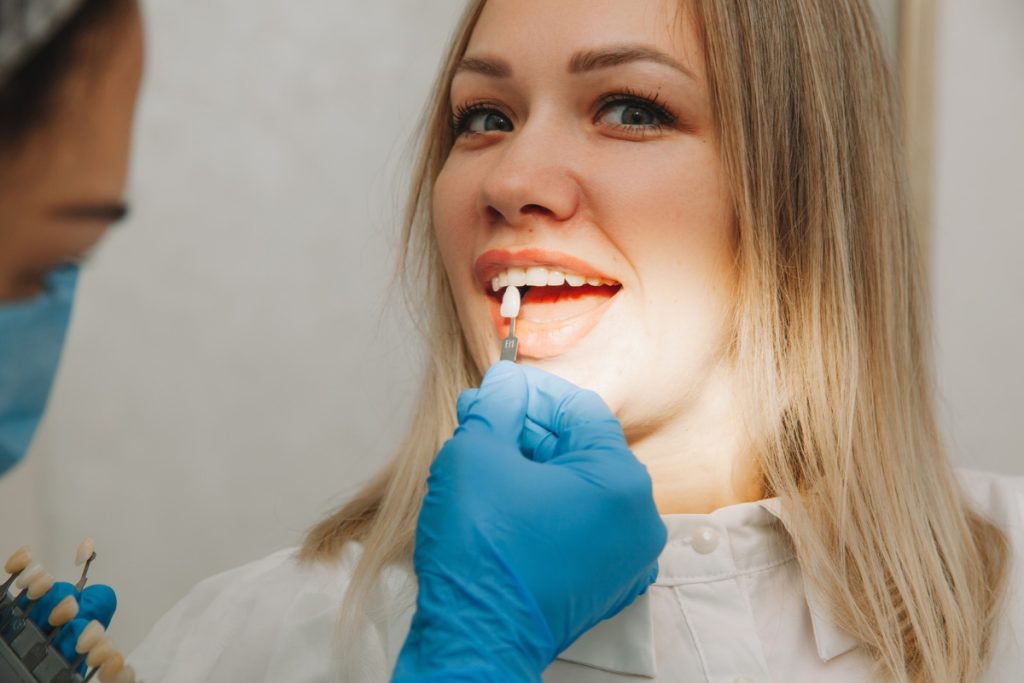
You brush twice daily, floss regularly, and take care of your teeth. Yet when you look in the mirror, your smile still appears yellow.
It can be frustrating when your oral hygiene routine doesn’t produce the brighter smile you want. Yellow teeth aren’t always a sign of poor dental hygiene.
At Modern Dental in Boise, ID, patients can explore professional whitening options after an examination determines the cause of discoloration. Understanding why teeth change color can help you decide whether whitening is appropriate for your smile.
Why Do Teeth Look Yellow Even With Regular Brushing?
Several factors affect tooth color, including enamel thickness, the underlying dentin, and stains on or within the tooth. Brushing removes plaque and helps control surface deposits, but it can’t remove all types of discoloration.
Natural Tooth Color
Healthy teeth are not naturally bright white. Dentin, the layer beneath enamel, is naturally yellowish.
Because enamel is somewhat translucent, dentin’s color influences the shade you see. Some people naturally have darker or warmer tooth shades than others.
Enamel Changes With Age
Over time, enamel may become thinner through wear and erosion. As this happens, the underlying dentin can become more visible.
This may make teeth appear increasingly yellow. Whitening can improve some discoloration, but it cannot replace lost enamel.
Coffee, Tea, and Other Beverages
Coffee, tea, red wine, and certain foods contain pigments that can contribute to staining. Frequent exposure may gradually change the appearance of teeth. Brushing helps remove surface deposits, but deeper stains may require professional treatment.
Tobacco Use
Smoking and other tobacco products can leave persistent stains on teeth. These stains may be difficult to remove with routine brushing alone.
Previous Dental Treatment
Crowns, fillings, and veneers don’t respond to whitening products the same way as natural enamel. If restorations are visible when you smile, whitening may create a color difference.
The dentist can explain whether restoration replacement should be considered after whitening.
Can Professional Teeth Whitening Remove Yellow Stains?
Professional whitening uses peroxide-based agents to lighten certain stains within natural teeth. These agents break down stain molecules.
Results depend on the cause and severity of discoloration. Yellow discoloration often responds more predictably than certain gray or brown stains.
However, whitening cannot correct every color change. For example, discoloration from developmental enamel defects or previous trauma may require a different approach. A dental examination helps determine whether cosmetic dentistry is likely to produce the desired improvement.
What Is the Difference Between In-Office and Take-Home Whitening?
Both approaches use whitening agents, but they differ in how they’re applied and how long the treatment takes.
In-Office Teeth Whitening
In-office whitening is performed under dental supervision. The gums and other soft tissues are protected before the whitening material is applied. The treatment may produce a noticeable change during a single visit.
However, results vary from person to person. Some patients may need additional treatment to achieve their desired shade.
Professional Take-Home Whitening
Take-home whitening involves dentist-provided products and instructions. Custom trays may be used to hold the whitening gel against the teeth.
Patients typically wear the trays for a prescribed period. The whitening process occurs gradually over several days or weeks.
Following the recommended application time is important because excessive use can increase sensitivity and gum irritation. At Modern Dental, Dr. Royce can discuss the available whitening options and determine whether your teeth and gums are suitable for treatment.
Is Professional Whitening Better Than Whitening Toothpaste?
Whitening toothpaste mainly removes surface stains with mild abrasives or other cleaning ingredients. Some products contain low concentrations of whitening agents.
However, toothpaste generally produces less shade change than peroxide-based bleaching treatments. Professional whitening is intended to change the color of natural teeth beyond removing surface stains.
Stronger whitening does not always mean a healthier smile. The appropriate treatment depends on your oral health and cosmetic goals.
Can Teeth Whitening Cause Sensitivity?
Yes, temporary tooth sensitivity is common. Some patients notice discomfort when drinking cold beverages or breathing cold air. Gum irritation may also occur if whitening products contact soft tissues. Sensitivity often improves after treatment stops, but the severity varies.
Your dentist may recommend:
- Adjusting the whitening schedule
- Using a lower-concentration product
- Applying desensitizing products
- Taking breaks between treatments
- Addressing exposed roots or untreated cavities first
Patients with significant sensitivity should discuss their symptoms before beginning whitening.
Who Should Have a Dental Examination Before Whitening?
A dental examination is particularly important if you have:
- Untreated cavities
- Gum inflammation
- Exposed tooth roots
- Cracked teeth
- Persistent sensitivity
- Extensive visible restorations
- A single tooth that has changed color
- Unexplained stains
Whitening is generally intended for healthy natural teeth. It should not be used as a substitute for treating dental disease.
How Long Do Whitening Results Last?
Whitening results are not permanent. Teeth may gradually darken again due to aging, diet, and stain exposure.
The duration varies among patients. You can help maintain your results by brushing regularly, cleaning between your teeth, and limiting frequent exposure to staining substances.
Rinsing with water after coffee or tea may also help reduce prolonged contact with pigments. Avoid brushing immediately after consuming acidic drinks. Let saliva neutralize the acids first.
Periodic whitening touch-ups may be appropriate with the dentist’s guidance.
When Should You Consider Professional Whitening in Boise?
Whitening may be worth discussing if your teeth are healthy, but you’re still dissatisfied with their color. Patients in Boise, Eagle, Meridian, and nearby areas may seek treatment before a wedding, graduation, professional event, or another occasion.
However, you do not need a special event to discuss your cosmetic concerns. A consultation can set realistic expectations and determine whether whitening or another treatment is more appropriate.
A Brighter Smile Starts With Understanding Your Tooth Color
Yellow teeth are not always caused by poor brushing habits. Natural tooth structure, aging, and deeper stains can affect your smile’s appearance.
If you want to explore whitening options, Dr. Royce can evaluate your oral health and discuss appropriate cosmetic treatment at Modern Dental.
Schedule a consultation to find out whether professional whitening can help you achieve a brighter smile.
Frequently Asked Questions
1. Why are my teeth yellow even though I brush every day?
Natural dentin color, enamel thickness, aging, and deeper stains can all influence tooth shade. Brushing can’t remove all types of discoloration.
2. Can professional whitening make my teeth noticeably brighter?
Many patients experience visible shade improvement. The amount depends on the type of staining and the whitening method used.
3. Is professional teeth whitening safe?
Whitening is generally considered safe for suitable patients when used as directed under dental supervision. Temporary sensitivity may occur.
4. Will whitening work on dental crowns or veneers?
No. Existing restorations do not bleach like natural teeth. A dentist can discuss ways to maintain a consistent appearance.
5. Can I receive take-home whitening treatment in Boise?
Yes. A cosmetic dental consultation can help determine whether professional take-home whitening is appropriate.
6. Should I schedule a cleaning before whitening?
A dental examination and cleaning may be recommended to address plaque, tartar, or surface stains before whitening.